


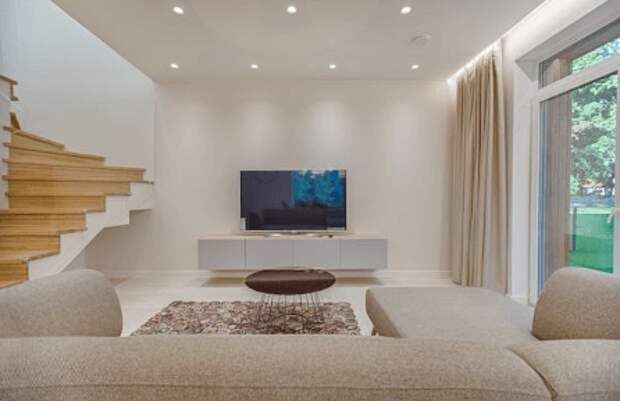
There’s something magical about walking into a home where every textile element works in perfect harmony. From the moment you step through the door, you’re enveloped by a sense of warmth, comfort, and intentional design that speaks to both practical needs and aesthetic sensibilities. Textiles have the remarkable power to transform sterile spaces into welcoming sanctuaries.
They also add personality to neutral rooms and create the kind of atmosphere that makes people want to linger and truly relax.The art of incorporating textiles into home design extends far beyond simply choosing matching colors or following seasonal trends. It involves understanding how different fabrics interact with light, how textures influence mood, and how functional requirements can be beautifully balanced with decorative desires. Whether you’re starting with a blank canvas or refreshing existing spaces, thoughtful textile selection can dramatically impact how your home looks, feels, and functions for daily living.
Modern homes demand textiles that serve multiple purposes. They need to be beautiful enough to enhance our living spaces, durable enough to withstand daily life, and practical enough to be maintained easily. This balance between form and function has never been more important as we spend increasing amounts of time in our homes and seek to create environments that truly support our well-being and lifestyle needs.
Understanding the Role of Window Treatments in Home Design
Window treatments represent one of the most impactful textile decisions you’ll make for your home, influencing everything from natural light control to privacy, insulation, and overall aesthetic appeal.
The right window treatments can make rooms feel larger, warmer, more private, or more connected to outdoor spaces, while poor choices can leave spaces feeling incomplete or uncomfortable.The relationship between natural light and interior comfort changes throughout the day and across different seasons, making window treatment selection a complex decision that goes beyond simple aesthetic preferences. Morning light energizes and awakens, midday sun can create glare and excessive heat, while evening light provides warmth and ambiance before giving way to the need for privacy and artificial lighting.
Understanding these light patterns helps inform decisions about opacity levels, layering options, and control mechanisms that will serve your needs most effectively. Fixed treatments like valances or decorative panels provide consistent style but limited functionality, while adjustable options offer versatility at the cost of additional complexity and maintenance requirements. Smart motorized systems can automate these adjustments based on time of day or light sensors.
Understanding these light patterns helps inform decisions about opacity levels, layering options, and control mechanisms that will serve your needs most effectively. Fixed treatments like valances or decorative panels provide consistent style but limited functionality, while adjustable options offer versatility at the cost of additional complexity and maintenance requirements.
For many homes, layering different types of window treatments provides the ultimate in flexibility and visual interest. Heavy curtains or drapes can provide privacy, light blocking, and insulation during evening hours and winter months, while lighter options allow for daytime light filtering and seasonal adaptability. High-quality day curtains offer the perfect solution for daytime light management, providing privacy while still allowing natural light to filter through and create bright, welcoming interior spaces.
The scale and proportion of window treatments significantly impact room aesthetics and can make spaces feel larger or smaller, taller or wider, depending on how they’re designed and installed. Hanging curtains higher than the actual window frame and extending them beyond the window width creates the illusion of larger windows and taller ceilings, while treatments that exactly match window dimensions can make spaces feel more confined. Floor-to-ceiling panels create dramatic vertical lines that draw the eye upward, making rooms appear more spacious and grand. Conversely, shorter treatments that end at the window sill can make ceilings appear lower and create a more intimate, cozy atmosphere.
Color and pattern choices in window treatments set the tone for entire rooms and influence how other textile elements will work within the space. Bold patterns or vibrant colors can serve as focal points that anchor room design, while neutral tones provide versatile backgrounds that allow other elements to shine. The key is understanding how your window treatment choices will interact with existing architectural features, furniture selections, and planned decorative elements. Texture also plays a crucial role in this visual equation – heavy, luxurious fabrics like velvet or thick brocades add weight and formality to spaces, while lighter materials such as linen or cotton blends contribute to more casual, airy atmospheres. Consider how natural and artificial lighting will affect fabric colors throughout different times of day, as some hues can appear dramatically different under varying lighting conditions.
Furniture and Upholstery: Building Comfort and Style
The textiles we choose for furniture upholstery and soft furnishings create the foundation for comfortable, inviting living spaces. These selections must balance aesthetic appeal with practical considerations like durability, maintenance requirements, and lifestyle compatibility. Unlike decorative textiles that can be easily changed, upholstery represents a longer-term commitment that should be chosen thoughtfully.
Fabric performance characteristics vary dramatically between different materials and weaves, making it essential to understand how various options will hold up to your specific usage patterns. Families with children or pets need textiles that can withstand spills, stains, and heavy use while still looking attractive and feeling comfortable. Entertainment areas require different performance levels than formal sitting rooms that receive occasional use.
Professional furniture retailers understand these complexities and can provide valuable guidance in selecting textiles that match your lifestyle needs without compromising on style preferences. Established companies like Nova Furnishing specialize in helping homeowners navigate the complex world of upholstery options, offering expertise in both aesthetic selection and practical performance characteristics that ensure furniture investments provide years of satisfaction and comfort.
The relationship between different textures within a room creates visual and tactile interest that makes spaces feel more dynamic and engaging. Smooth leather paired with nubby wool, sleek silk combined with rustic linen, or soft velvet contrasted with structured cotton all create compelling combinations that add depth and sophistication to interior design schemes.
Color coordination in upholstery requires understanding how different hues will work together over time and how they’ll interact with lighting conditions throughout the day. Colors that look perfect together in showroom lighting may appear quite different in your home’s natural and artificial lighting conditions, making it important to evaluate selections in various lighting scenarios before making final decisions.
Consider bringing fabric samples home for extended observation periods, viewing them during morning, afternoon, and evening hours to understand how they truly appear in your living environment. Seasonal changes in natural light can also affect color perception, with winter’s cooler light potentially making warm colors appear more muted while summer’s bright sunshine might intensify certain hues beyond their intended effect.
Maintenance requirements for upholstered furniture should influence fabric selection from the beginning rather than being an afterthought. Some fabrics require professional cleaning, others can be spot-cleaned or machine-washed, and still others may need special care to maintain their appearance and integrity. Understanding these requirements helps ensure that furniture continues looking its best throughout its lifespan.
Performance fabrics designed for high-traffic areas often incorporate stain-resistant treatments and durable fibers that withstand frequent cleaning without losing their structural integrity or visual appeal. Families with pets or young children should prioritize fabrics with excellent cleanability ratings, while formal living spaces might accommodate more delicate materials that require gentle care but offer superior aesthetic qualities.
Textile Care and Maintenance: Preserving Your Investment
Proper care and maintenance of home textiles significantly extends their lifespan while preserving their appearance and functionality. Different materials require specific approaches to cleaning and maintenance, and understanding these requirements helps protect substantial investments in quality fabrics and furnishings.
Regular maintenance prevents small problems from becoming major issues that require expensive professional intervention or complete replacement. Simple practices like vacuuming upholstery regularly, rotating cushions to ensure even wear, and addressing spills promptly can dramatically extend the life of furniture textiles while maintaining their appearance and comfort.
Window treatments face unique challenges from constant exposure to sunlight, dust, and environmental pollutants that can degrade fabrics and affect their appearance over time. Regular cleaning and maintenance not only preserves aesthetic appeal but also contributes to better indoor air quality by removing accumulated dust, allergens, and pollutants that can affect health and comfort.
Professional cleaning services provide expertise and specialized equipment for textiles that require more than basic home care. Services like Big Mama curtain cleaning services understand the specific requirements of different window treatment fabrics and can restore them to like-new condition while extending their functional lifespan. Professional cleaning becomes particularly valuable for expensive or delicate textiles that could be damaged by improper home cleaning attempts.
Seasonal maintenance routines help address the changing environmental conditions that affect textile performance throughout the year. Summer months may require more frequent cleaning due to increased dust and humidity, while winter conditions might necessitate different care approaches to address heating system effects and reduced ventilation. Spring cleaning provides an ideal opportunity to deep clean upholstery, wash curtains, and refresh bedding that has accumulated dust and indoor pollutants during closed-window winter months. Fall preparations might include applying fabric protection treatments, checking for signs of wear or damage before heavy winter use, and ensuring adequate humidity levels to prevent static buildup and fiber brittleness in dry heated environments.
Storage considerations become important for seasonal textiles or items that aren’t in constant use. Proper storage prevents moth damage, moisture problems, and deterioration that can occur when textiles aren’t properly protected during extended periods of non-use. Understanding proper storage techniques helps preserve seasonal decorations, extra bedding, and other textiles that rotate in and out of active use. Climate-controlled storage areas maintain consistent temperature and humidity levels that prevent mold growth and fabric degradation. Cedar blocks, lavender sachets, or other natural deterrents can provide moth protection without harsh chemicals, while breathable storage containers allow air circulation while keeping dust and pests at bay.
Creative Applications: Crafting and DIY Projects
The world of textiles extends beyond ready-made home furnishings to include countless opportunities for creative expression through crafting, sewing, and DIY projects. These activities allow for complete customization of home textiles while often providing significant cost savings compared to purchasing finished products.
Understanding fabric characteristics becomes even more important when creating your own textile projects, as the success of handmade items depends heavily on choosing appropriate materials for intended uses. Weight, drape, stretch, and durability all influence how fabrics will perform in different applications, making material selection a crucial first step in any DIY textile project.
Quality fabric suppliers provide not just materials but also expertise and guidance for creative projects. Online retailers like woolstar.com.au specialize in providing premium materials along with the knowledge and support needed for successful textile projects. These specialized suppliers often offer unique materials that aren’t available through general retailers, allowing for truly distinctive finished products.
Quilting represents one of the most popular and versatile forms of textile crafting, combining practical functionality with artistic expression. Modern quilting has evolved far beyond traditional patterns to embrace contemporary designs, innovative techniques, and unique material combinations that reflect personal style while creating functional home textiles.
Designer fabric collections provide inspiration and premium materials for creative projects that rival professionally manufactured goods. Collections like Dashwood Studio Fabrics offer carefully curated designs and colorways that provide starting points for projects ranging from simple accent pieces to elaborate room makeovers through handcrafted textiles.
Project planning becomes essential for successful DIY textile endeavors, requiring consideration of skill level, time investment, and material costs before beginning. Starting with smaller projects allows for skill development and confidence building before tackling larger, more complex undertakings that require advanced techniques or significant time commitments.
Tool and equipment investments can significantly impact both the enjoyment and success of textile crafting projects. Quality tools make projects easier, more precise, and more enjoyable while often producing superior results compared to basic alternatives. Understanding which tools are essential versus those that are simply convenient helps prioritize investments for beginning and intermediate crafters.
Seasonal Textiles and Refresh Strategies
Incorporating seasonal textile changes provides opportunities to refresh home aesthetics without major renovations or substantial financial investments. Strategic seasonal updates can make homes feel current, comfortable, and responsive to changing weather conditions while expressing personal style and creativity.
Layering strategies allow for gradual seasonal transitions that build upon existing textile foundations rather than requiring complete overhauls. Adding or removing throws, changing pillow covers, swapping window treatments, or introducing seasonal colors through accent pieces provides flexibility while maintaining design continuity.
Storage solutions for seasonal textiles ensure that items remain in good condition during off-seasons while staying organized and accessible for easy rotation. Proper storage prevents damage from moths, moisture, and excessive handling while making seasonal changes more efficient and enjoyable.
Budget-conscious seasonal updates focus on high-impact changes that provide maximum visual refresh with minimal investment. Accent pieces like throw pillows, table runners, and decorative throws can dramatically change room aesthetics while being easily stored and reused across multiple seasons and years.
Color psychology in seasonal textile selection helps create appropriate moods and atmospheres that support well-being throughout different times of year. Warm, rich colors promote coziness during colder months, while lighter, brighter hues encourage energy and openness during warmer seasons.
Bringing It All Together: Creating Cohesive Textile Stories
Successfully incorporating textiles throughout your home requires understanding how different elements work together to create cohesive, harmonious environments that reflect personal style while meeting practical needs. This involves balancing colors, textures, patterns, and scales across different rooms and applications while maintaining design continuity.
The most successful textile schemes develop organically over time, starting with key anchor pieces and building thoughtfully rather than attempting to complete everything at once. This approach allows for better decision-making, budget management, and adjustment as preferences evolve and needs change.
Understanding your personal style preferences provides the foundation for making textile choices that will provide long-term satisfaction. Whether you gravitate toward traditional elegance, contemporary minimalism, bohemian eclecticism, or rustic comfort, understanding your aesthetic preferences helps guide decisions and create spaces that truly feel like home. Consider creating mood boards or collecting inspiration images to clarify your vision before making major purchases. Document what draws you to certain combinations and what feels uncomfortable or overwhelming in different spaces.
Investment prioritization helps ensure that substantial textile purchases provide maximum value and satisfaction over time. Higher-quality pieces for high-use applications like main living area upholstery and primary bedroom textiles justify premium investments, while accent pieces and seasonal items can be more budget-conscious without compromising overall design impact.
The transformative power of textiles in home design cannot be overstated. From the practical comfort of well-chosen upholstery to the aesthetic impact of beautiful window treatments, from the satisfaction of handcrafted projects to the simple pleasure of seasonal updates, textiles offer countless opportunities to create homes that truly reflect personal style while supporting comfortable daily living.
The key to success lies in understanding how different textile elements work together, making informed choices about quality and maintenance, and approaching textile selection as an ongoing journey rather than a one-time project. Whether you’re starting fresh or refreshing existing spaces, thoughtful attention to textile choices will reward you with homes that look beautiful, feel comfortable, and truly enhance your quality of life for years to come.