


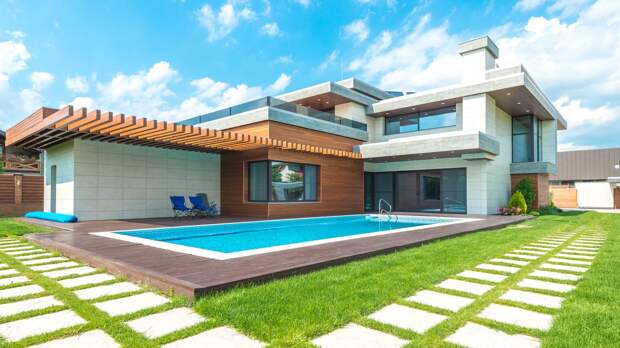
Building a custom home is one of the most exciting investments you’ll ever make. It’s your chance to create a space perfectly tailored to your lifestyle, preferences, and needs. However, before the first shovel hits the dirt, taking time to ask the right questions can save you from costly mistakes and ensure your dream home becomes a reality.
What’s My True Budget?
Understanding your complete budget goes beyond the construction costs. You need to account for land preparation, permits, inspections, landscaping, and those inevitable unexpected expenses. Most experts recommend adding 10 to 20 percent cushion to your estimated costs. Be honest about what you can afford, including financing options and how monthly payments will fit into your long-term financial picture.
Have I Chosen the Right Location?
Your land choice impacts everything from your daily commute to your home’s resale value. Consider the school district, proximity to work and amenities, and future development plans for the area. Check zoning regulations, building restrictions, and whether utilities are readily available. Some lots require extensive site work that can quickly inflate costs.
Who Will Build My Home?
Selecting the right builder is crucial. Research their reputation, review previous projects, and speak with past clients. A quality builder should be licensed, insured, and willing to provide references. Ask about their experience with custom homes specifically, as this requires different expertise than production housing. Understanding their communication style and project management approach will help ensure a smooth building process.
What’s the Realistic Timeline?
Custom home construction typically takes six months to over a year, depending on size and complexity. Weather delays, material shortages, and permit approvals can extend timelines. Discuss a realistic schedule with your builder and understand the major milestones. Having a clear timeline helps with planning your current living situation and coordinating your move.
Do I Have Detailed Plans and Specifications?
Vague ideas lead to misunderstandings and disappointment. Work with an architect or designer to create detailed blueprints that reflect your vision. Specify everything from floor plans and room dimensions to fixture styles and finishes. When it comes to materials, partnering with reputable suppliers like Empire Real Lumber ensures you’re getting quality products that meet your specifications and timeline. The more detailed your plans, the fewer surprises you’ll encounter during construction.
What Building Codes and Regulations Apply?
Every jurisdiction has specific building codes, zoning laws, and permit requirements. These regulations affect everything from setback requirements to energy efficiency standards. Your builder should be familiar with local codes, but it’s wise to understand them yourself. Some areas have homeowner association rules that dictate architectural styles, colors, or landscaping choices.
How Energy Efficient Will My Home Be?
Energy efficiency isn’t just about saving the planet; it’s about saving money on utility bills for years to come. Discuss insulation options, window quality, HVAC systems, and renewable energy possibilities. Many energy-efficient features cost more upfront but pay for themselves over time. Some utility companies and governments offer rebates for energy-efficient construction.
What About Future Maintenance and Upkeep?
Different materials and design choices come with varying maintenance requirements. Natural wood siding needs more upkeep than fiber cement, for example. Consider how much time and money you’re willing to invest in maintenance. Think about durability and longevity, especially for major components like roofing, siding, and flooring.
Have I Planned for Future Needs?
Your needs today might not be your needs in ten or twenty years. Consider aging-in-place features like wider doorways, first-floor bedroom options, and accessible bathrooms. If you plan to expand your family, think about additional bedrooms or flexible spaces. Building in flexibility now costs less than renovating later.
What’s My Contingency Plan?
Things rarely go exactly as planned in construction. Material delays happen, weather interferes, and hidden site conditions emerge. Have a backup plan for where you’ll live if construction runs over schedule. Keep communication lines open with your builder and stay flexible. Understanding that adjustments are normal helps reduce stress when challenges arise.
Making Your Dream Home a Reality
Building a custom home is a journey that requires patience, planning, and the right partnerships. By asking these essential questions before breaking ground, you’ll enter the construction phase with confidence and clarity. Remember that the most successful custom home projects come from thorough preparation and realistic expectations.
Take your time in the planning phase. Rush decisions made now can lead to regrets later. Work with experienced professionals who understand your vision and can guide you through the process. With quality materials from trusted suppliers like Empire Real Lumber and a solid team behind you, your custom home will be everything you imagined and more.
The home you’re about to build will be your sanctuary for years to come. Make sure every decision reflects your lifestyle, values, and dreams. Ask questions, do your research, and enjoy the process of creating a space that’s uniquely yours.