


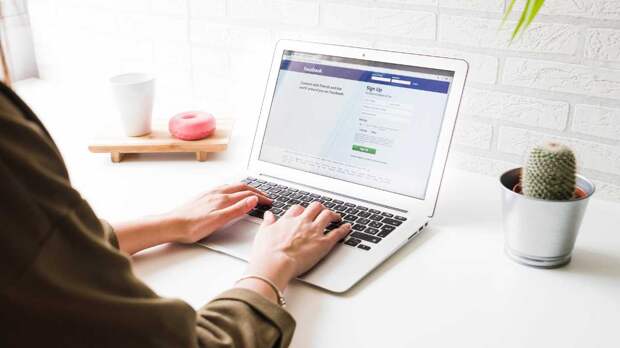
The storm knocked out internet across half of Metro Manila again—third time this month during habagat season—but at least you’d already downloaded that essential tutorial explaining how to fix your electric fan’s faulty capacitor. Last week your neighbor lost access to her favorite fitness instructor’s entire video series when the creator’s page got hacked, a frustratingly common occurrence affecting countless Filipino content producers.
The Philippines’ 87 million Facebook users—representing roughly 77% of the population—navigate a peculiar digital reality where the platform functions simultaneously as primary news source, entertainment hub, informal university, business marketplace, and family connection tool, yet operates atop infrastructure that buckles under tropical storms, slows to unusable speeds during evening peak hours, and costs real money every time you stream the same content twice.A nursing student in Davao downloads medical procedure demonstrations because her boarding house WiFi works reliably only between 2am and 5am. A sari-sari store owner in Pampanga saves marketing tutorial videos because his monthly Smart data package costs ₱599—nearly a full day’s earnings he can’t waste re-streaming. A grandmother in Cebu preserves every video her grandchildren post from Dubai because these clips are her primary window into lives lived at distance. This widespread adoption of tools like a Facebook downloader reflects not technological enthusiasm but practical adaptation to the Philippines’ specific circumstances where connectivity promises rarely match actual delivery. This guide explores how Filipinos build and maintain video collections that genuinely serve needs within the country’s particular infrastructure realities.
Why Filipino Users Download Facebook Videos
Facebook occupies extraordinary territory in the Philippines’ digital landscape—culturally indispensable yet technically unreliable, socially embedded yet infrastructurally fragile. Understanding downloading motivations reveals adaptation strategies Filipinos have developed for bridging gaps between digital aspirations and ground realities.
Educational content circulates through informal networks bypassing traditional institutional barriers. The platform hosts organic knowledge-sharing transcending the Philippines’ formal education system. A seamstress in Quezon City demonstrates traditional barong embroidery techniques passed through three generations. A tricycle mechanic in Bohol films diagnostic approaches for Chinese motorcycle engines flooding local markets but absent from any service manual. Teachers across the archipelago create explanations of mathematics and science concepts that finally make sense after Department of Education textbooks failed students for years.
Small business owners share customer management strategies learned through expensive trial and error in Philippine market conditions. This knowledge flows freely but vanishes capriciously—deleted when creators experience personal crises, lost when pages get hacked (alarmingly common in the Philippines), removed when Facebook’s automated systems can’t distinguish between legitimate education and policy violations. Students preparing for LET exams, OFWs developing marketable skills before deployment, entrepreneurs building businesses—all download tutorials knowing today’s available content might disappear tomorrow without warning.
Economic mathematics make downloading financially rational in the Philippines’ data cost environment. Globe, Smart, DITO—major carriers charge roughly ₱599-₱999 for 10-15GB monthly packages. For households earning ₱15,000-₱25,000 monthly, that represents significant budget allocation competing against rice, utilities, children’s education, transportation, and remittance obligations. A ten-minute video in watchable quality consumes 40-60 MB. Stream it five times and you’ve burned 200-300 MB achieving nothing you couldn’t accomplish downloading once. The arithmetic is straightforward but consequential: downloading costs data once, streaming costs data repeatedly, and Filipino users managing finite monthly allocations choose accordingly. This isn’t abstract economics—it’s everyday household budget management where every megabyte carries opportunity cost against other essential needs.
Infrastructure unpredictability creates urgency around content preservation unique to archipelagic nations. The Philippines endures approximately 20 typhoons annually, each potentially disrupting connectivity for days or weeks. Power interruptions remain common across provinces and even Metro Manila. Internet speeds degrade precisely when everyone returns home from work attempting to use networks simultaneously. The fiber connection that worked perfectly yesterday inexplicably reverts to 3G speeds today. Heavy rain knocks out entire barangays. Someone in Mindanao or Visayas learns through repeated frustration to download content during those golden windows when connectivity actually functions—late night when network congestion drops, early morning before everyone wakes, brief periods between weather disturbances—because depending on reliable streaming means constant disappointment and wasted time.
Cultural content in regional languages carries preservation weight absent from Tagalog and English material. Cebuano comedy that loses every nuance in Tagalog translation. Ilocano cooking demonstrations using techniques specific to Northern Luzon. Bicolano folk music performances. Waray cultural explanations. Kapampangan poetry recitations. This material exists in dramatically smaller quantities compared to Tagalog and English content dominating Filipino social media. When such videos disappear from Facebook, they often vanish completely rather than existing in redundant copies across multiple platforms. Communities encountering rare mother-tongue content download immediately rather than assuming availability, understanding that material serving linguistic minorities receives no special preservation consideration from platforms optimizing for scale.
Family documentation matters intensely across the Philippines’ massive overseas worker diaspora. Over 10 million Filipinos work abroad—roughly 10% of the total population. Saudi Arabia, UAE, Hong Kong, Singapore, USA, Canada, UK—Filipino workers span the globe. These separations aren’t brief adventures; they’re years-long or permanent relocations driven by economic necessity where salaries abroad are 3-10 times Philippine equivalents. Video messages become primary family connection methods across time zones making synchronous calls difficult and expensive. A father in Saudi Arabia records birthday messages for children growing up in Bulacan seeing him perhaps once yearly. Grandparents archive every clip their grandchildren post from Toronto. Siblings working in Dubai save videos of aging parents in provincial homes. These aren’t casual social media interactions; they’re family archives documenting relationships maintained across distance, made permanent through downloading before platforms decide what’s worth keeping.
Religious and devotional content serves ongoing spiritual practice needs. Catholic novenas and rosary prayers for daily recitation. Evangelical sermon series. Charismatic praise and worship sessions. Traditional Filipino devotions like Simbang Gabi preparations. Biblical study content in various Philippine languages. Religious content typically maintains relevance indefinitely rather than becoming dated like news or trends, justifying permanent local storage for users who return to the same material across months and years as part of spiritual routine integrated into Filipino Catholic and Christian practice.
Business and livelihood content serves the Philippines’ enormous informal economy. The country’s economic reality includes millions operating small businesses—sari-sari stores, jeepney operations, food stalls, online selling, beauty services, construction work. These entrepreneurs learn business skills not from formal education but from each other, sharing knowledge through Facebook videos. Marketing techniques for Philippine markets. Customer service approaches working in Filipino cultural context with utang na loob and pakikisama considerations. Product photography using available lighting. Pricing strategies balancing profit against competition in price-sensitive markets. Inventory management for small-scale operations. This practical business education downloaded and referenced repeatedly helps informal sector operators—comprising roughly 40% of Philippine employment—professionalize operations without accessing traditional business education institutions.
Entertainment from local creators builds cultural connection. Filipino comedy sketches reflecting local humor sensibilities. Original Pinoy music performances. Regional dance forms. Spoken word poetry in Taglish. Short films about Philippine life. Local creators produce content resonating specifically with Filipino audiences in ways international content cannot, and fans download favorites knowing creators might abandon platforms, delete content during controversies, or simply stop producing without warning.
Digital Infrastructure Challenges Specific to the Philippines
The Philippines’ internet landscape combines expanding access with persistent limitations creating unique usage patterns different from both developed markets and other Southeast Asian nations.
Connection quality varies dramatically by geography, weather, and unpredictable factors. Metro Manila, Cebu City, Davao, and major urban centers enjoy reasonable 4G and increasingly 5G coverage during optimal conditions—though “reasonable” remains relative compared to connectivity in Singapore or South Korea. Provincial areas experience inconsistent speeds. Island communities often operate on 3G or worse. Mountainous regions struggle with coverage entirely. Even in well-served urban locations, evening hours bring network congestion dropping speeds dramatically as millions return home simultaneously attempting to stream content. Infrastructure built for certain capacity serves populations exceeding engineering assumptions by substantial margins, creating predictable degradation patterns users learn to anticipate and work around. Additionally, the archipelagic geography means undersea cable cuts can isolate entire regions for days.
Mobile data costs represent real household budget considerations requiring active management. Middle-class professionals earning ₱30,000-₱50,000 monthly might spend ₱999 on data without catastrophic concern. But for households earning ₱15,000-₱25,000 combined—describing millions of Filipino families—that same ₱999 represents substantial budget allocation competing against food, electricity, water, children’s allowance, transportation, and remittances to provincial relatives. Families make conscious trade-offs: data supporting children’s online education versus entertainment consumption, necessary family communication versus optional social media browsing. Downloading videos once rather than streaming repeatedly becomes budget management strategy, not technical preference or convenience choice.
Electricity reliability directly affects internet access in ways users in stable-grid environments never consider. While Metro Manila enjoys relatively stable power, many provincial areas experience regular interruptions. Brownouts lasting hours occur with frustrating frequency. Typhoon seasons bring extended outages. Even scheduled maintenance creates predictable periods without connectivity. Users with inverters or generator backup maintain internet during outages, but that describes relatively affluent minorities. Most Filipinos experience regular periods where streaming becomes impossible regardless of network quality, making offline content access essential for guaranteed viewing at chosen times rather than times electricity happens to be available.
Device storage limitations force strategic curation choices. Budget smartphones dominating the Philippines’ market—devices in ₱5,000-₱15,000 range representing majority of sales—typically include 32GB or 64GB storage. Android OS claims 10-15GB before users install anything. Essential apps—Facebook, Messenger, mobile banking, GCash, e-wallets, utilities—consume another 5-8GB. Photos and messages accumulate. This leaves perhaps 12-20GB for everything else including any video downloads. Users can’t thoughtlessly accumulate content; they must curate deliberately, keeping only material justifying storage space it occupies. Every download requires evaluating whether this video deserves permanent space or represents momentary interest better served by streaming once and forgetting.
Data package structures encourage specific usage patterns. Many Philippine carriers offer time-limited packages—significantly cheaper data available only during off-peak hours. Smart’s GigaSurf promos, Globe’s GoSurf packages, DITO’s promotional offers—all create incentives for strategic downloading. Users optimizing expenses develop habits around these structures: browsing and bookmarking content during day, batch downloading during cheap overnight windows or promotional periods, consuming throughout following days without additional cost. This creates downloading patterns clustering into specific time periods rather than happening spontaneously whenever content appears.
Weather patterns create regular connectivity disruptions unique to tropical archipelagos. The Philippines sits in the Western Pacific typhoon belt, experiencing regular severe weather events. Signal disruption during heavy rain isn’t occasional inconvenience—it’s predictable pattern affecting millions several times monthly during monsoon seasons. Users learn to download essential content before storms arrive, building offline libraries that remain accessible when connectivity inevitably fails.
How Filipino Users Download Facebook Videos Effectively
The technical process remains straightforward globally, but Filipino users have developed particular workflows matching local constraints and optimizing for specific circumstances.
Evaluate content worth before committing finite data and storage resources. With meaningful constraints on both fronts, random accumulation makes no economic sense. Experienced users ask explicit questions before downloading: Will I genuinely rewatch this or just imagine I might? Do I have concrete plans using this information or vague someday intentions? Does this replace content I already saved or serve truly distinct purpose? Does video quality justify storage consumption, or would audio-only serve equally well? These aren’t rhetorical questions but practical evaluation preventing digital hoarding wasting limited capacity on material providing no actual value.
Choose downloading windows strategically around connectivity quality and cost structures. Users on standard monthly packages download whenever encountering content worth saving. Users on time-limited promotional packages—increasingly common strategy for cost-conscious Filipinos—bookmark content throughout day using Facebook’s save feature, then batch download during cheap overnight windows or promo periods. Someone working in Makati might spend evening browsing, saving interesting content, then set downloads running at midnight when Smart’s GigaSurf Night promo activates, waking to find everything transferred at fraction of regular data cost. This requires planning discipline but cuts monthly data expenses substantially for households where every peso matters.
Navigate to target video within Facebook’s mobile interface where overwhelming majority of Philippine usage occurs. Over 98% of Filipino Facebook access happens through smartphones rather than computers—desktop usage registers barely above statistical noise outside offices and university computer labs. Open Facebook app (or mobile browser if app isn’t installed), locate specific video, watch enough to verify it merits downloading. Confirm audio language if relevant—a Cebuano speaker won’t want Tagalog-only content and vice versa. Check that video quality appears acceptable, not some pixelated mess someone recorded off their television screen. Ensure content actually matches what title or description promised before committing resources to downloading.
Copy video’s unique URL using Facebook’s sharing functionality. Tap three dots or share arrow near video. Select “Copy Link” from options presented. This captures video’s specific identifier—its address on Facebook’s servers that downloading tools need for retrieval. Different Facebook app versions present slightly varying interfaces, and different language settings change button labels, but fundamental process remains consistent. The copied URL sits in your device’s clipboard ready for next step.
Access reliable downloading service through mobile browser. Chrome dominates as default browser on Android devices throughout the Philippines, but UC Browser (popular for data compression), Opera Mini, or alternatives work identically for this purpose. Navigate to your chosen downloading service—if you haven’t bookmarked one, research options carefully looking for established services with positive reputations from other Filipino users specifically, not just generic international reviews that might not reflect how tools perform on Philippine networks with Philippine devices.
Paste copied URL into service’s input field and initiate analysis. Tap into prominently displayed box. Long-press until “Paste” option appears. Select it to insert Facebook URL you copied. Most services make this step obvious requiring no technical knowledge beyond basic smartphone operation familiar to anyone using Messenger or other apps. Tap processing button—usually labeled “Download,” “Get Video,” or Filipino language equivalent on localized services. Service retrieves video information and identifies available quality options, taking 15-60 seconds depending on server load, your connection speed, and video length.
Select appropriate quality based on specific situation balancing multiple factors:
- High Definition (720p/1080p): Choose when connected to WiFi, you have adequate storage remaining, and content genuinely benefits from visual clarity—detailed cooking tutorials where seeing precise knife techniques matters, technical demonstrations, dance performances where choreography details carry meaning. On 3G connections common in provincial areas, HD downloads take considerably longer and consume significantly more data, so evaluate whether quality difference justifies cost difference for specific content.
- Standard Definition (480p): Select when using mobile data, managing limited storage, or content doesn’t require high resolution—comedy sketches where dialogue and timing carry humor more than visuals, basketball commentary where you’re listening to analysis, interviews where concepts matter more than image quality. This represents sweet spot for most Filipino users balancing watchability against resource consumption.
- Audio Only: Extract when video components add minimal value—religious sermons focused on spoken content, music where you’ll listen without watching, recorded conversations, podcast-style content that happens to have video but doesn’t need it. Audio files consume perhaps 5-10% the storage of video files, making this option particularly valuable for content you’ll reference repeatedly during commutes or while working.
Complete download and organize immediately rather than promising to do it later. Tap final download button for chosen quality. Wait for transfer to complete without closing browser or navigating away—interrupted downloads waste data and time already invested. On 3G connections in congested areas, a 20-minute video might take 8-15 minutes to download, so exercise patience. Once finished, immediately rename file with descriptive details—date, topic, creator, language if relevant—and move to appropriate folder. Delaying organization creates chaos requiring hours sorting later when you’ve accumulated dozens of generically-named files offering no clue about their contents.
Essential Features Filipino Users Need in Video Downloaders
Understanding which capabilities actually matter in the Philippines’ specific context helps identify tools worth using versus those creating problems through poor design or missing critical functionality.
| Feature | What It Provides | Why Filipino Users Need It |
| Multiple Quality Options | Choice between HD, SD, audio-only with clear file size indicators | Balances expensive data costs and limited storage against viewing needs for different content types |
| 3G Network Compatibility | Functions reliably on slower connections common in provincial areas | Serves users outside Metro Manila, Cebu, Davao and during network congestion periods |
| Zero Registration Required | Works without account creation or personal information submission | Protects privacy and eliminates friction for users wary about data security |
| Mobile-Optimized Interface | Designed specifically for smartphone browsers with touch-friendly controls | Matches how Filipinos actually access Facebook—overwhelmingly through phones, not computers |
| Minimal Advertisement Load | Clean interface without aggressive pop-ups consuming data | Reduces waste on expensive data packages and works better on budget devices with limited RAM |
| Audio Extraction Capability | Saves audio tracks separately from video files | Creates dramatically smaller files (3MB vs 35MB) when visuals don’t matter—sermons, music, lectures |
| Download Resume Function | Continues interrupted transfers from stopping point | Essential given Philippine connection instability and frequent interruptions from weather or outages |
| Low-Bandwidth Operation | Functions even on congested networks during peak hours | Works during evening hours when millions using networks simultaneously drop speeds dramatically |
| Tagalog Interface Option | Provides navigation in national language alongside English | Serves users more comfortable with Filipino, expanding access beyond English-proficient minorities |
| File Size Preview | Shows expected download size before starting transfer | Helps users make informed decisions about whether content justifies data cost required |
Quality selection capability with transparent size information stands out as most critical for Filipino users specifically. The ability to see that HD version costs 110MB while SD version costs 32MB and audio-only costs 3MB transforms abstract quality choices into concrete resource allocation decisions. Users can evaluate whether seeing cooking demonstration in HD justifies 78MB additional data cost over SD, or whether audio-only suffices for religious sermon where visual component adds minimal value. Tools hiding file sizes or offering only single quality level create frustration and waste resources unnecessarily.
3G compatibility matters enormously beyond major metropolitan areas. Tools optimized exclusively for 4G connections often fail completely or perform so poorly on 3G networks that they become unusable. Given that substantial portions of the Philippines outside Metro Manila, Cebu Metro, and Davao still operate primarily on 3G, services working reliably on slower connections serve dramatically broader user bases across the archipelago. This isn’t edge case—it’s mainstream reality for millions of Filipino Facebook users in provincial areas and smaller cities.
Mobile-first design is absolutely non-negotiable in the Philippines’ smartphone-dominant landscape. Desktop Facebook usage barely registers statistically outside offices and educational institutions. Services built primarily for computers and accessed awkwardly through mobile browsers create frustrating experiences—tiny buttons requiring zooming, text overlapping, forms difficult to complete on touchscreens. Users gravitate toward genuinely mobile-optimized alternatives understanding that Filipinos access Facebook through 5-6 inch screens while commuting on jeepneys, during lunch breaks, or relaxing at home.
Clean interfaces respecting expensive data matter more in environments where every megabyte carries real cost. Excessive advertisements don’t just annoy; they consume data packages while slowing loading on budget devices with limited processing power. A service whose homepage loads 12MB of advertisements before allowing any actual functionality wastes resources and patience. Users gravitate toward services treating their constraints respectfully rather than assuming unlimited data and high-end devices.
Alternative Downloading Methods and Their Philippine-Specific Trade-offs
Beyond standard web-based services, several alternative approaches exist for preserving Facebook content, each with distinct advantages and limitations within Philippine context.
Browser extensions add download buttons directly into Facebook’s interface but serve only the tiny minority of Filipino users accessing Facebook through desktop computers. Extensions require installation, regular updates, consume system resources, and only work on full browsers rather than mobile apps where actual usage happens. This approach might suit university students with laptop access or office workers with desktop computers, but represents irrelevant solution for vast majority accessing Facebook exclusively through smartphones.
Dedicated mobile applications claiming video downloading capabilities populate Google Play Store with wildly varying quality. Some function exactly as advertised, providing convenient solutions. Others request suspicious permissions unrelated to video downloading—access to contacts, SMS messages, phone calls, device identifiers—suggesting data harvesting rather than legitimate functionality. Still others inject aggressive advertising making them nearly unusable, or harbor performance problems on budget hardware dominating Philippine market. Scrutinize reviews carefully, especially those from Filipino users describing actual experiences on local networks with local devices. Examine permission requests skeptically—video downloaders legitimately need internet and storage access but nothing else. Favor applications with substantial download counts (500,000+), regular recent updates indicating active maintenance, and established developer reputations.
Telegram channels and bots accepting Facebook links and returning downloadable files integrate naturally into Filipino usage patterns. While Telegram hasn’t displaced Messenger, it enjoys significant adoption among certain user segments for superior group features and better file sharing. Send bot the Facebook URL, receive downloadable file minutes later within same conversation. This method appeals to users already active on Telegram and creates abstraction some find more trustworthy than visiting unfamiliar websites.
Screen recording built into modern Android and iOS devices provides universal fallback capturing anything displayable on screen regardless of platform restrictions. This guarantees success when other methods fail but creates enormous file sizes—a ten-minute video might consume 400MB-900MB depending on resolution settings—making it impractical for users managing limited storage. Quality depends on display resolution rather than source video, so watching 1080p content on 720p phone screen yields 720p recording at most. Any notification, text message, or interruption during recording gets permanently captured in final file unless edited out afterward. Use screen recording as last resort when content absolutely must be preserved and no other method works, not as primary downloading approach.
Messenger-based sharing and saving represents uniquely Filipino adaptation. Many users share Facebook videos to themselves via Messenger, then attempt to download from there or keep accessible through chat archives. While indirect and storage-intensive (Messenger caches consume substantial space), this method works within familiar ecosystem where every Filipino already spends hours daily.
Each alternative attracts different user segments based on technical comfort, device capabilities, specific needs, and existing app ecosystems. University students might experiment with browser extensions. Provincial users with basic smartphones stick to simple mobile-optimized websites requiring no installation. Content creators explore professional software with integrated downloading and editing capabilities. Families focused on Messenger sharing prioritize methods working within that ecosystem.
Organizing Downloaded Content for Filipino Usage Patterns
Building video collection is straightforward; maintaining something genuinely useful requires intentional organization matching how Filipinos actually consume content rather than theoretical ideals.
Create folder structures reflecting actual Filipino interests and consumption patterns:
- Entertainment (Comedy, Pinoy Movies, Music, Basketball, Teleserye Clips)
- Education (School Subjects, Board Exam Review, English Learning, Skill Development)
- Recipes (Filipino Dishes, Regional Cuisines, Baking, Street Food, Fiesta Cooking)
- Religion (Catholic Devotions, Evangelical Sermons, Novenas, Mass Recordings, Biblical Studies)
- Business (Online Selling, Marketing, Product Photography, Customer Service, Sari-Sari Store Tips)
- Family (Personal Videos, Celebrations, Messages from Abroad, Children’s Milestones)
- OFW Content (Work Tips, Homesickness, Remittance, Immigration, Country-Specific Guides)
- Reference (Home Repairs, Gadget Tips, Health Information, Government Processes)
Develop naming conventions using recognizable details mixing Tagalog and English as natural. Include dates using familiar formats, topics in preferred language, creator names when relevant. “2024_Adobo_Recipe_Ninang_Gloria” or “2024_PBA_Finals_Game7_Highlights” beats meaningless “video_482947.mp4” for findability months later when searching collections containing hundreds of files. Many Filipinos naturally code-switch between Tagalog and English; file naming can reflect this linguistic reality rather than forcing artificial monolingualism.
Implement monthly maintenance during natural review periods anchored to existing life patterns. First Sunday of each month after church. Beginning of school semesters. Holy Week when you have time off. Christmas break when organizing feels natural. Anchor organization habits to existing patterns rather than arbitrary dates easy to forget. Delete watched content that served one-time purposes. Consolidate duplicates downloaded multiple times accidentally. Reorganize misfiled items. Reassess what actually merits permanent storage versus what seemed important in moment but hasn’t been referenced once in weeks.
Consider affordable storage expansion through MicroSD cards. A 64GB card costs roughly ₱400-₱600 through major retailers; 128GB runs ₱800-₱1,200. While not trivial expenses for tight budgets, they’re manageable one-time purchases dramatically expanding capacity and allowing content preservation without constant deletion of existing files. Many budget Android phones popular in Philippines include MicroSD slots specifically because manufacturers recognize storage expansion needs in price-sensitive markets. Use this capability rather than struggling with inadequate internal storage.
Use file managers providing search and preview capabilities. Files by Google, Solid Explorer, or similar applications transform simple folders into browsable libraries with thumbnail previews, search functions, and organizational tools. These work efficiently on budget devices, unlike heavy gallery applications requiring high-end hardware. Good file managers make finding specific videos in large collections practical rather than frustrating exercise scrolling through hundreds of similar-looking thumbnails.
Maintain adequate free space for optimal device performance. Keep at least 10-15% storage free—4-6GB on 32GB devices, 7-10GB on 64GB devices. Completely filled phones slow dramatically, apps crash more frequently, Android system functions degrade, and device lifespans shorten. When storage approaches limits, make hard choices about what genuinely deserves preservation versus what can be deleted without real loss.
Privacy, Security, and Ethical Considerations in Philippine Context
Downloading videos involves responsibilities extending beyond technical processes, with particular considerations relevant to the Philippines’ digital environment and evolving regulatory landscape.
Verify service legitimacy before providing any information. Reputable downloading services never request Facebook login credentials under any circumstances. Be extremely skeptical of tools asking for account access—legitimate downloaders work with public URLs requiring absolutely no authentication. Services requesting passwords either demonstrate incompetent design or deliberately attempt account compromise for malicious purposes. Given the Philippines’ high rates of account hacking and identity theft, this vigilance matters particularly.
Understand the Philippines’ evolving digital regulations. The Cybercrime Prevention Act of 2012 addresses various digital activities. Data Privacy Act of 2012 provides some protections. While neither specifically targets personal video downloading for private educational or entertainment use, understanding their general principles informs responsible decision-making. Content acceptable in one context might prove problematic in another given the Philippines’ complex social and political environment where sensitivities vary across regions and communities.
Respect intellectual property while recognizing informal educational ecosystems. Philippine Facebook hosts enormous quantities of educational content created by informal teachers sharing knowledge freely without commercial intent or copyright registration. Downloading tutorials for personal learning, skill development, or educational reference typically falls within reasonable personal use that doesn’t harm creators. However, redistributing others’ content commercially, claiming it as your own creation, systematic copying of entire creator catalogs for republication, or using downloaded content in ways generating revenue without creator permission crosses ethical boundaries regardless of technical ease.
Handle politically or socially sensitive content with awareness. The Philippines’ digital space includes diverse political opinions across administrations, regional perspectives, and social commentary. Content perfectly acceptable in your circle might prove controversial elsewhere. Exercise judgment about what you download, how you store it, where you watch it, and with whom you share it.
Consider creators’ perspectives and support mechanisms. Many Filipino Facebook creators invest significant time and creativity into content despite minimal monetization opportunities. While personal downloading doesn’t directly harm them financially, engaging with content on-platform through reactions, comments, shares provides algorithmic support helping creators reach broader audiences.
Protect family privacy carefully especially regarding children. Videos featuring family members—particularly children—deserve thoughtful handling. The Philippines’ culture of close family ties and extensive sharing must be balanced against privacy considerations, especially for content involving minors.
For general background on Facebook’s platform and policies, resources like Wikipedia’s Facebook article provide neutral overviews helpful for understanding broader context.
Future Developments in Video Downloading for Filipino Users
Several trends will likely shape how Filipinos download and manage Facebook videos in coming years, driven by technological capabilities, evolving infrastructure, and changing user expectations.
Continued mobile-first evolution will dominate as smartphone penetration deepens across economic strata. Tools succeeding in Philippine market will prioritize mobile experiences above everything else, recognizing that desktop optimization matters only for tiny minorities.
Localization increasing beyond superficial Tagalog translation toward deeper cultural adaptation. Services understanding Filipino content preferences, optimizing for locally popular video types (basketball, teleseryes, regional content), integrating with communication platforms Filipinos actually use (Messenger especially, GCash, Maya), and designing around real infrastructure constraints will separate leaders from generic international options.
Data efficiency innovations becoming competitive differentiators. Better compression maintaining quality while reducing file sizes. Features minimizing data consumption while preserving essential content. These capabilities matter increasingly as users become more sophisticated about judging tools on total cost including data expenses.
Infrastructure improvements creating new possibilities while cost constraints persist. 5G coverage expands in major cities. Fiber internet reaches more areas. However, affordability gaps likely persist, meaning efficiency remains important even as raw connection capabilities improve for some segments.
Conclusion
Managing Facebook video downloads in the Philippines isn’t about accumulating content indiscriminately—it’s about taking practical control over digital resources in environments where connectivity remains unreliable, typhoons regularly disrupt infrastructure, data costs real money, and storage requires strategic management. The videos Filipinos preserve represent knowledge they’ll actually apply, entertainment they’ll genuinely rewatch, family memories they’ll treasure across OFW separations, religious content supporting spiritual practice, and educational material serving concrete skill development.
Success requires choosing reliable tools respecting Filipino users’ actual circumstances—limited storage, expensive data, unreliable connections during weather events, budget devices, 3G networks in provincial areas, evening congestion. It demands following secure practices protecting privacy in environment where account hacking remains common concern. It needs thoughtful organization matching real usage patterns rather than elaborate systems you’ll never maintain.
The Philippines’ digital landscape continues evolving—improving infrastructure competing against persistent constraints, growing sophistication alongside affordability challenges, expanding urban access while provincial areas lag behind. Through these contradictions, the desire for content ownership and offline access persists as practical necessity for archipelagic nation where connectivity can never be fully guaranteed.
Whether saving basketball highlights explaining Tim Cone’s triangle offense, cooking tutorials teaching perfect adobo techniques passed through generations, Catholic novena prayers, family videos documenting relatives working in the Middle East, or educational content preparing for board exams, intentional downloading approaches transform scattered accumulation into personal resources genuinely serving needs within the Philippines’ specific digital reality.