


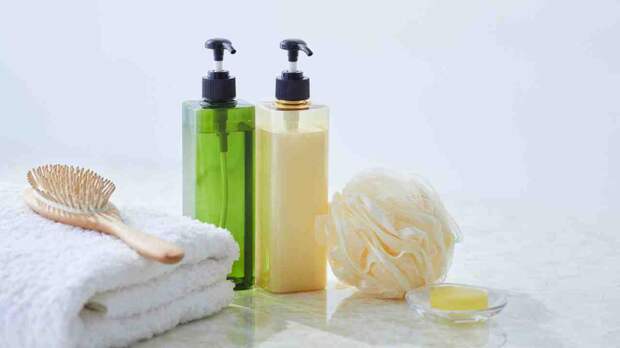
The lustrous, pearlescent look of many cosmetic and hair care formulations gives even common personal care products a luxurious appeal. This effect often results from the use of ingredients called pearlizers. These agents not only give shampoos, body washes, and lotions that characteristic rich and shimmery appearance.
They also help improve the products’ texture and overall user experience, contributing to their marketing advantage.For manufacturers, understanding how pearlizers for shampoo and other personal care washes work can help in the selection and optimization of these agents to enhance performance and aesthetics. Here’s a guide on how pearlizer ingredients function in rinse-off products, their types and applications, and what trends are currently shaping their use in the market.
Understanding the Optical and Physical Mechanisms of Pearlizers
Essentially, the signature visual effect produced by pearlizers results from the scattering and reflection of light within a surfactant system. In products such as shampoos and body washes, small crystalline or platelet structures form during cooling and remain dispersed in the mixture, giving the formula a shimmering appearance. When these microscopic crystals, often derived from esters of fatty acids like ethylene glycol distearate, refract and reflect light at different angles, they produce a creamy, pearlescent glow.
Besides this aesthetic function, pearlizers also offer a tactile benefit in formulations. Their crystalline structures can slightly increase viscosity and stabilize emulsions while also helping suspend other insoluble components.
When properly incorporated, they contribute to smoother texture and improved product feel without negatively affecting foaming or cleansing performance.Functional Benefits Beyond Visual Appeal
While pearlizing agents are primarily used to enhance a product’s look, their benefits extend to improving texture and sensory experience. Pearlizers add body and density to a formulation, helping create a richer, creamier appearance that consumers associate with premium quality. Furthermore, the silky feel during application and the smooth rinse that follows contribute to a perception of softness and nourishment. These sensory effects can elevate the overall user experience and help brands stand out in a highly competitive marketplace.
From a formulation standpoint, pearlizers can also improve the structural performance of surfactant systems. Their mild thickening and opacifying effects enhance viscosity control and aid in suspending dispersed additives such as oils or botanical extracts. Meanwhile, the pearlescent sheen further helps mask any natural discoloration from other raw materials, allowing for consistent visual appeal.
Common Pearlizer Types and Their Characteristics
Most rinse-off products typically use glycol esters such as ethylene glycol distearate and ethylene glycol monostearate as pearlizing agents in their formulations. These materials form thin crystalline platelets that reflect light to produce an opaque, creamy appearance common in high-viscosity shampoos and body washes. With these pearlizers, formulators can create different visual and textural effects through variations in ester composition.
By contrast, mica-based and pigment-coated pearlescents provide an alternative visual effect. This is especially true in translucent or decorative cleansers where sparkle is preferred over opacity. Brands pursuing environmentally conscious formulations may consider newer plant-based or biodegradable waxes. These include rapeseed-derived wax pearlizers and cold-processable concentrates, as sustainable replacements for common petroleum-derived options. Ultimately, selection depends on balancing visual effect with stability while aligning with sustainability goals.
Formulation Strategy for Incorporating Pearlizers
Precise control in temperature, mixing, and cooling is key to effectively incorporating pearlizers into wash formulations. Solid pearlizers are usually melted and dispersed into the surfactant base at around seventy degrees Celsius. As the system cools, the material crystallizes into fine, uniform platelets that deliver the desired shimmer. Formulators must be mindful that too rapid cooling or excessive shear can disrupt crystal formation, leading to inconsistent appearance. To maintain uniform distribution, the mixture should be cooled gradually under moderate agitation.
Additionally, compatibility with the surfactant system and other additives must be considered. For glycol esters, for instance, optimal pH is typically near neutral. This is because highly acidic or alkaline environments can degrade ester structures. Keeping the concentration between half a percent and five percent is generally recommended. This depends on the pearlizer and the desired effect, to help avoid over-thickening or loss of lather. Finally, long-term stability testing under temperature and storage stress ensures that the pearlescent effect remains consistent over time.
Trends and Regulatory Considerations
The rising concern over sustainability in personal care formulations has brought about a growing preference for renewable, biodegradable raw materials over petroleum derivatives. For pearlizing agents, examples of viable alternatives include plant-based waxes and cold-processable pearlizer concentrates that offer lower energy consumption and improved environmental profiles. Suppliers are also innovating with tunable platelets that provide tailored reflectivity, allowing brands to create distinct looks without compromising eco-standards.
At the same time, regulatory attention on microplastics and synthetic polymers has prompted careful review of certain pearlizers. It’s more crucial than ever for formulators to confirm that their ingredients comply with regional environmental regulations and avoid materials classified as non-biodegradable micro-particles. Furthermore, transparency in sourcing and third-party certifications, as well as accurate labeling, are becoming increasingly important in maintaining consumer trust and market access.
Pearlizers offer both visual appeal and functional benefits for a variety of personal care product formulations, while giving brands a competitive edge in a crowded market. And in the face of shifting consumer preferences and concern over environmental responsibility, a new range of pearlizing agents has emerged as suitable alternatives that promise the same level of performance while complying with modern standards.
For product developers, the challenge is to strike the right balance between aesthetics and performance. Choosing the best material for the desired look and feel of the formulation while considering regulatory requirements helps ensure a product that is both satisfying to use and environmentally friendly.